The Rise of Astrotourism in 2026
Astrotourism has rapidly become one of the most prominent travel trends of 2026. As urban areas continue to expand, finding places free from light pollution is increasingly difficult. Consequently, travelers are actively seeking out dark sky destinations where they can marvel at the cosmos in all its glory. Kern County, with its vast and varied landscapes, offers some of the most accessible and spectacular stargazing opportunities in California. The county’s eastern desert regions, in particular, provide the perfect canvas for observing celestial events, meteor showers, and the Milky Way.
This surge in interest is driven by a collective desire to reconnect with the natural world. Many people find profound peace and perspective when looking up at a truly dark sky. Whether you are an amateur astronomer, a professional night photographer, or simply someone looking for a unique nighttime experience, the dark skies of Kern County offer something truly special. By venturing just a short distance from the major cities, you can experience the universe as it was meant to be seen.
Top Locations for Dark Sky Stargazing in Kern County
Finding the perfect spot is essential for a successful stargazing trip. Fortunately, Kern County features several exceptional locations that are renowned for their dark skies. These areas are far enough from the light domes of Los Angeles and Bakersfield to provide clear, unobstructed views of the heavens. When planning your trip, consider the amenities and accessibility of each location to ensure a comfortable experience.
Red Rock Canyon State Park
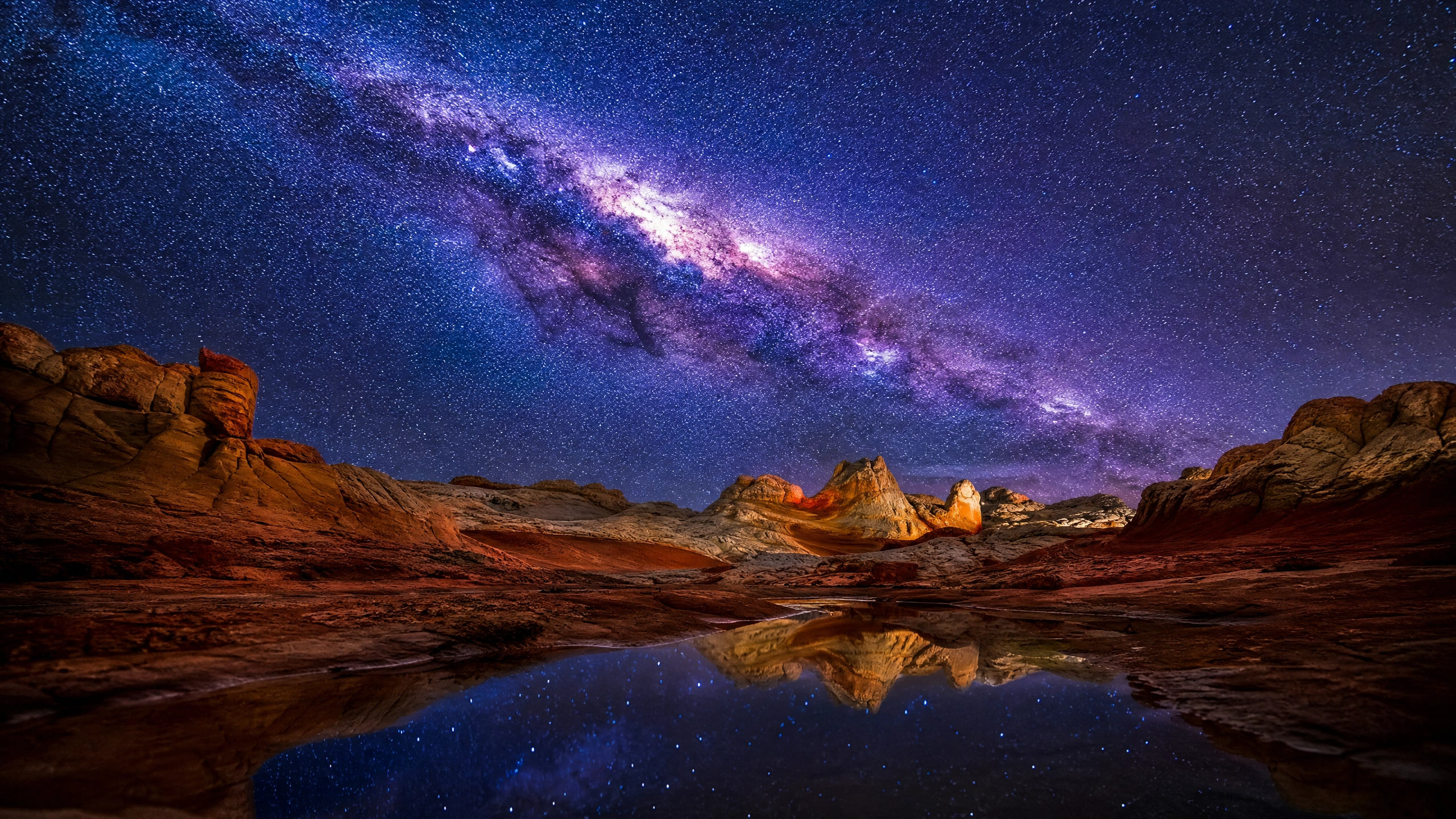
Located where the southernmost tip of the Sierra Nevada meets the El Paso Mountains, Red Rock Canyon State Park is a premier destination for astrotourism. The park is famous for its dramatic, colorful rock formations, which create stunning silhouettes against the night sky. The lack of nearby artificial light makes it an ideal spot for observing faint celestial objects. Photographers frequently visit this park to capture the Milky Way rising above the unique geological features. The campground provides a convenient base for overnight stargazing sessions.
The Mojave Desert Near Ridgecrest
The vast expanse of the Mojave Desert surrounding the city of Ridgecrest offers numerous opportunities for dark sky viewing. This area is characterized by its wide-open spaces and incredibly low humidity, which contributes to the clarity of the night sky. You can pull off many of the remote dirt roads to find a secluded spot. However, it is crucial to ensure you are on public land and not trespassing on private property or military installations. The sheer isolation of the Mojave provides a deeply immersive stargazing experience.
Preparing for Your Astrotourism Adventure
Proper preparation is key to enjoying your time under the stars. The desert environment can be unpredictable, and temperatures often drop significantly after the sun goes down. Therefore, packing the right gear and knowing what to expect will greatly enhance your comfort and safety. Before heading out, be sure to check the weather forecast and the lunar calendar, as a bright moon can wash out fainter stars.
Essential Gear for Stargazing
While you do not need expensive equipment to enjoy the night sky, a few basic items are highly recommended. First, bring a comfortable chair or a reclining cot, as looking straight up for extended periods can strain your neck. Second, pack plenty of warm clothing, including layers, a hat, and gloves. Even in the summer, the desert nights can be surprisingly cold. Third, use a red-light flashlight to navigate in the dark; red light preserves your night vision, allowing your eyes to remain adapted to the darkness. Finally, a pair of binoculars can significantly enhance your view of star clusters and the moon’s craters.
Tips for Night Photography
If you plan to photograph the night sky, you will need a camera capable of manual settings and a sturdy tripod. Set your camera to a high ISO and a wide aperture to capture as much light as possible. A wide-angle lens is ideal for capturing expansive views of the Milky Way. Experiment with different exposure times, typically between 15 and 30 seconds, to find the perfect balance between gathering light and avoiding star trails. Remember to be patient, as night photography requires trial and error to achieve the best results.
Understanding the Importance of Dark Skies
The growing popularity of astrotourism highlights the critical importance of preserving our dark skies. Light pollution not only obscures our view of the universe but also disrupts the natural rhythms of wildlife. By choosing to visit and support dark sky destinations, you are contributing to the conservation of these fragile environments. When exploring the outdoors, always practice Leave No Trace principles, which you can learn more about in our Outdoors & Recreation guide.
In conclusion, Kern County offers some of the most remarkable dark sky stargazing opportunities in the state. Whether you choose the dramatic landscapes of Red Rock Canyon or the vast openness of the Mojave Desert, you are guaranteed a memorable experience. As astrotourism continues to grow in 2026, these protected areas will become increasingly valuable. So pack your warmest clothes, grab your red flashlight, and head out to discover the wonders of the night sky in Kern County.